What is a Strandek® GRP Flat Roof?
A Strandek GRP Flat Roofing system is a multi-layered structure built from wooden decking, PIR insulation and glass fibre lining. It is designed to - and has been proven to last decades.

Glass fibre, also known as fibreglass or GRP (glass reinforced plastic/polyester), is a composite material made from polyester resin and glass fibre mat. During application, or “laminating”, the glass mat is saturated in polyester resin and allowed to cure or harden. The result is a structurally sound, fully waterproof flat roofing system with a 50+ year lifetime.
We’ve applied glass fibre coating technology to leading brands:

Strandek® Glass Fibre flat roofing systems have been used on thousands of properties across the UK. We are considered an industry-leading brand and were one of the first UK companies to install glass fibre flat roofing systems. Our team are trained, experienced and fully competent in glass fibre flat roofing. Our goal is – and always have been – to provide complete customer satisfaction.
A Strandek GRP Flat Roofing system is a multi-layered structure built from wooden decking, PIR insulation and glass fibre lining. It is designed to - and has been proven to last decades.


"Since 1976, Strandek Flat Roofing has specialised in GRP roofing technology. Backed by a range of guarantees and proven over many decades, our flat roofing systems are built to last."
Steve Bowen
Managing Director
Strandek Flat Roofing
Guarantees are an important part of your flat roof. That’s why we offer the following with every installation:
Both guarantees run simultaneously and we have continuously exceeded customer expectations.
Strandek’s glass fibre flat roofing has consistently demonstrated 30+ year lifetimes. Many of the glass fibre flat roofing systems we initially installed many years ago are still going strong today!
Strandek’s glass fibre flat roofing has consistently demonstrated 30+ year lifetimes. Many of the glass fibre flat roofing systems we initially installed many decades ago are still going strong today! We expect the real life time of our fibreglass GRP roofs to reach or exceed 50 years.
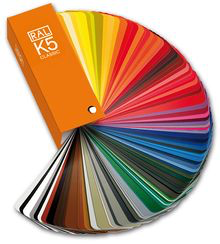
Choose your colour: full RAL & BS colour ranges

Flat roofing insulation: keeping your property warm
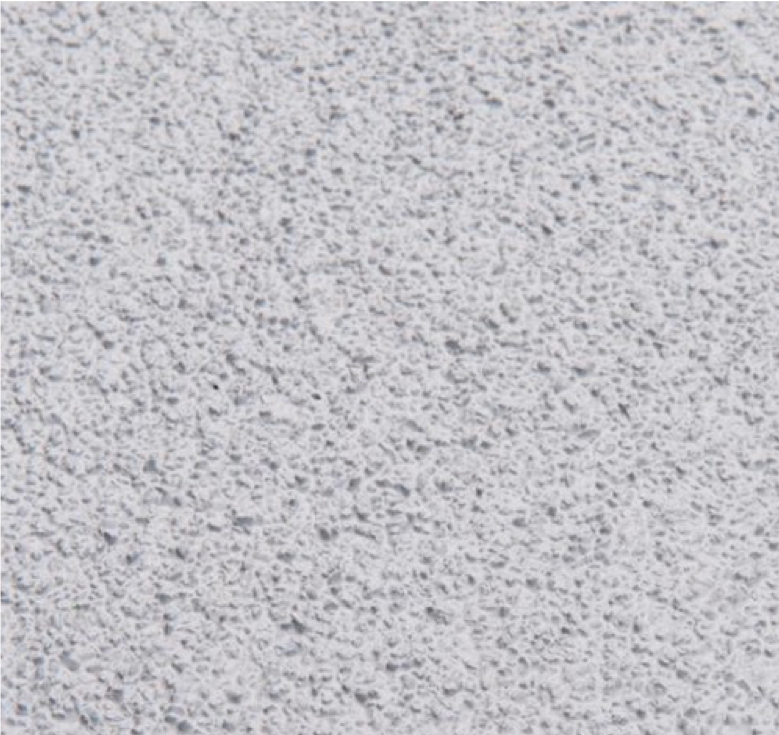
Non-slip finishes: maximise grip and minimise slips
|
Our team are fully trained in a variety of training schemes recognised by the UK Government: 
Since 1976, Strandek Flat Roofing has specialised in GRP roofing technology. Backed by a range of guarantees and proven over many decades, our flat roofing systems are built to last. |
A Professional Team 
Our technicians carry CSCS cards and possess NVQ-level training in flat roofing. |
|
Strandek® carry £5 million in Public & Employee Liability insurance. |
|
Since 1976, Strandek® has specialised in a variety of flat roofing systems. We were one of the first companies to install glass fibre (also known as fibreglass/GRP) flat roofs. Our premier brand, Strandek® has been chosen by a variety of customers for its performance, durability and reliability. Need to know more about glass fibre flat roofing? Check out our Frequently Asked Questions (FAQs) about glass fibre flat roofing.
Book a survey. You’re in safe hands.
Leaking flat roof? Call Strandek on 029 2190 0011 Get a quote
You can but beware it is a processed procedure and must be done correctly. Failure to do so will most likely result in a failure of adhesion between the existing surface and the new Topcoat.
Speak to your selected specialist contractor, preferably the original installer about this and consider letting them undertake this work. It will most likely require a survey to assess the scope of work.
Most certainly yes - provided correct procedures are followed. In most cases it is often better to adopt this procedure instead of a new flow coat application which is more labour intensive and largely superficial. Following good preparation, a new GRP laminate will adhere very well to an older system and your contractor should be happy enough to provide a new guarantee.
Note: always insist on an installation that receives a reputable insured guarantee at a minimum. If the contractor cannot or will not do this then it is wise to decline their services as in so many cases you will have little to no redress if a problem occurs.
It may not enhance the value but if it is well installed and supported by a worthy insured guarantee with supportive documentation, quotations, specification, etc., with some time left then a good surveyor will not flag it up as a negative for the prospective buyer and as such the price of the property will not be negatively affected.
A GRP roof is an excellent specification for a sedum roof due to its high impact resistance and fully bonded characteristics. The last thing you want with a loose lay system is accidental damage or failure resulting in water tracking from an unknown source requiring prior removal of the Sedum to determine the leak source. Make sure however that the installer is experienced, has an excellent track record and will provide an insured guarantee.
Fibreglass (GRP) is a high-performance composite. It provides exceptional long-term waterproofing, durability, and excellent mechanical properties. It is popular in some of the most demanding sectors, such as construction, aerospace, automotive and marine. A successor to traditional Welsh slate roofing in South Wales (Cardiff, Bridgend, Penarth and beyond) it is an excellent option for flat roofing projects.
Beyond the size, the cost of a fibreglass roof is dependent on the material costs, workmanship costs and any other costs associated with the preparation of the roof and associated waste removal. All of these costs can vary somewhat depending on the level of work required. Asbestos can impact cost, as can the condition of the existing structure if water ingress has occurred. More recently, inflation has begun to impact costs, affecting prices in lumber and other materials.
If it is leaking initially if possible take a physical look and see if there are any obvious signs of failure...eg. flashing detail, cracks, etc. If a fault is apparent in the roof, dig out your paperwork and check to see if it is under guarantee. Note that Strandek-installed flat roofs come with a 20-year company guarantee and a 10-year insurance-backed guarantee, so you have peace of mind. Should you identify a fault with an existing roof, contact the contractor to discuss a remedy. If the fault is outside the parameters of the installation guarantee then either try and remedy yourself with a GRP roof kit or contact Strandek for our input and assistance. Whatever the fault it needs addressing sooner rather than later. Not only will a progressive roofing leak cause more costly damage, it may also invalidate the flat roof property insurance.
In general a well-installed GRP flat roof is virtually maintenance-free and should require no maintenance. However, it is prudent if possible, to carry out an annual maintenance check to assess for any faults or accidental damage. It is always worth clearing leaves from perimeter guttering to prevent any water backup that could in strong winds find its way behind the perimeters of the roof. A hose down using a mild detergent is all that is usually needed to lift the appearance of the roof and remove any algae or moss that may have developed.
Installed correctly, a fibreglass roofing installation is highly reliable. Its composition addresses all the requirements to repel water ingress and is the prime material selected for marine applications. These qualities give fibreglass roofs proven lifetimes in excess of 25 years. Continuing development in the components utilised in its structure will mean even greater longevity.
Fibreglass relates to the reinforcement element of a laminate. This reinforcement consists of a flattened sheet of multi-directional fine glass filaments held together with an emulsion.
When combined with a thermosetting polymer such as polyester resin, a glass fibre laminate is created and this forms the basis of a GRP Roof waterproof membrane. ‘Fibreglass’ is also a product name for a thermal insulation material known as glass wool.
Disadvantages of fibreglass flat roofing are very few and really only evolve from poor quality material selection and more seriously unskilled application procedures.
The prime reasons for fibreglass roof failure is due to: (1) poor application procedures and (2) work being undertaken by operatives without the necessary skill set or experience. So often we find that a builder may undertake this vital element of work on a new extension for example, in order to maximize profit on the project. If undertaken incorrectly the installation will almost certainly fail - like any other roofing membrane - and it is unlikely that the essential Insured Guarantee on the fibreglass roof will be in place. This will certainly result in an expensive revisit with a specialist that will incur inspection fees, upgrade or renewal and any internal repairs.
A fibreglass roof laminate is superior to a ‘rubber’ type roof due to its structural composition and unique ability to conform to complex contour details. In the event of accidental damage, it is also very easy to source the ingress point and repair it. Conversely, a ‘rubber’ type roof can result in difficult and expensive procedures to source the damage often requiring electronic detecting equipment to locate the leak source. We find that around 75% of failed balcony roofs have had a rubber-type membrane laid beneath patio slabs.
A fibreglass roof is the very best membrane for roofing areas intending to accept foot traffic...eg., balconies, walkways, industrial floor areas etc. An additional component to the fibreglass installation is a non-slip surface integrated with the final coating of the installation.
Fibreglass roofs are highly compatible with a green ‘sedum’ roof, which presents a range of building-related benefits. They present a strong, lightweight structural waterproof membrane for the Sedum overlay.
Thus it provides a suitable surface for any service work to the Sedum without fear of puncture.